Online Piano & Voice Lessons that Build Skill, Confidence, & Joy
Sounds of Joy Music Studio offers online piano and voice lessons for children, teens, and adults across the United States.
Founded by music teacher Rebecca Alderman, the studio focuses on joyful instruction, musical growth, and confidence-building in a supportive, faith-friendly environment.
Parents'
Guide to
Practice
ATTENTION: PARENTS - GRANDPARENTS - TEACHERS - COUNSELORS
Philosophy of our Music Studio
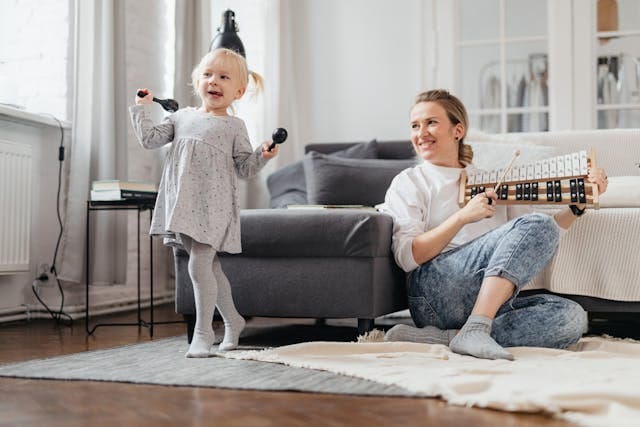
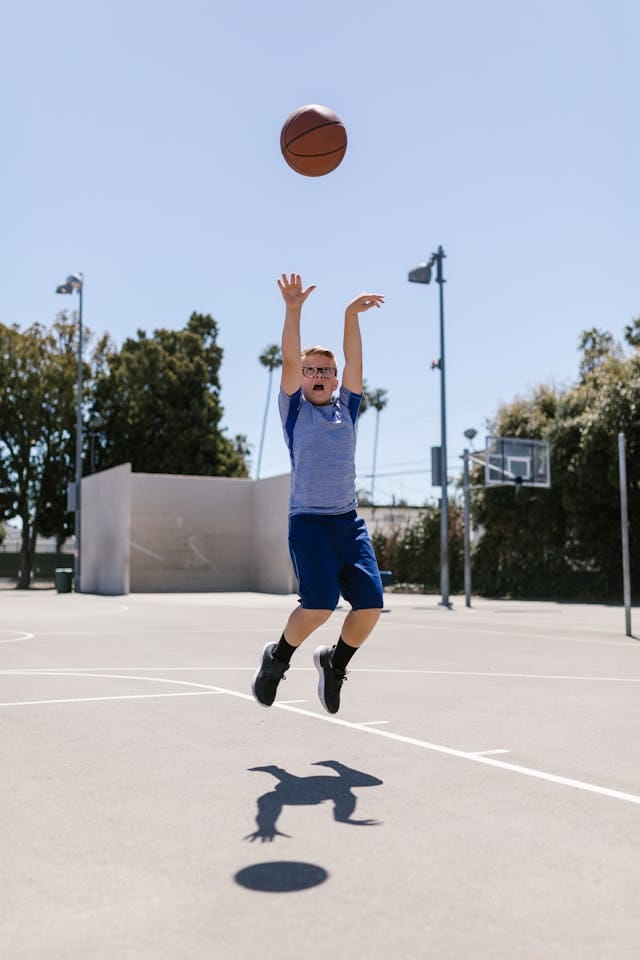
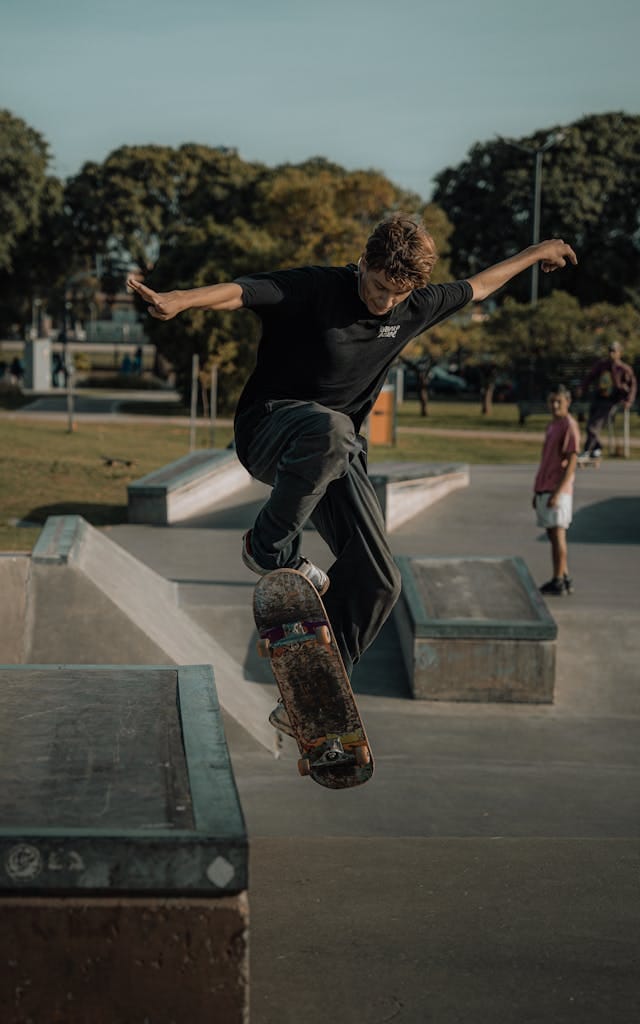
Music is a sport!
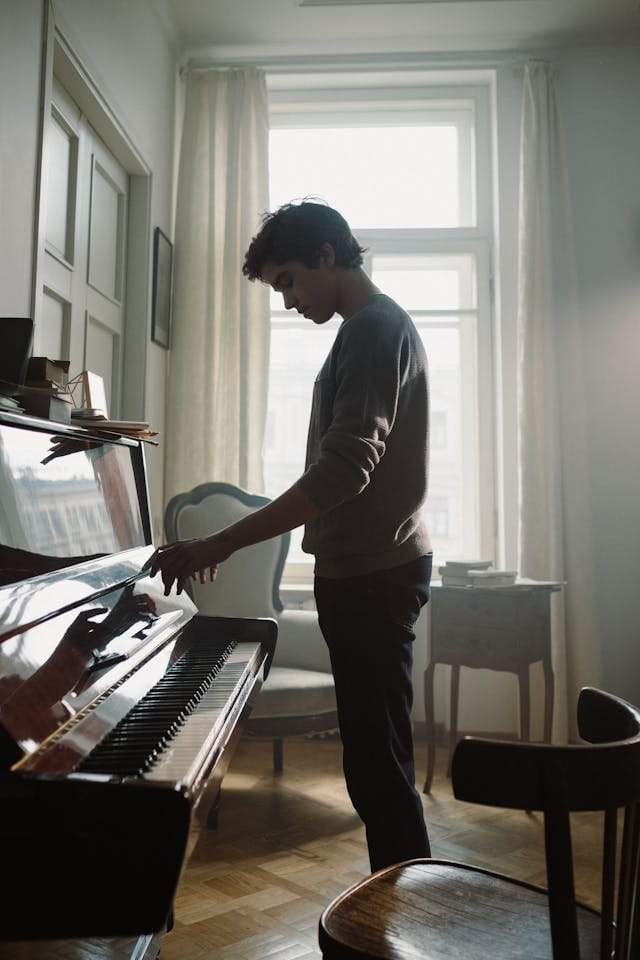
To play piano, you use the fingers, wrists, arms, feet, and eye/hand coordination, and you lose calories doing so.
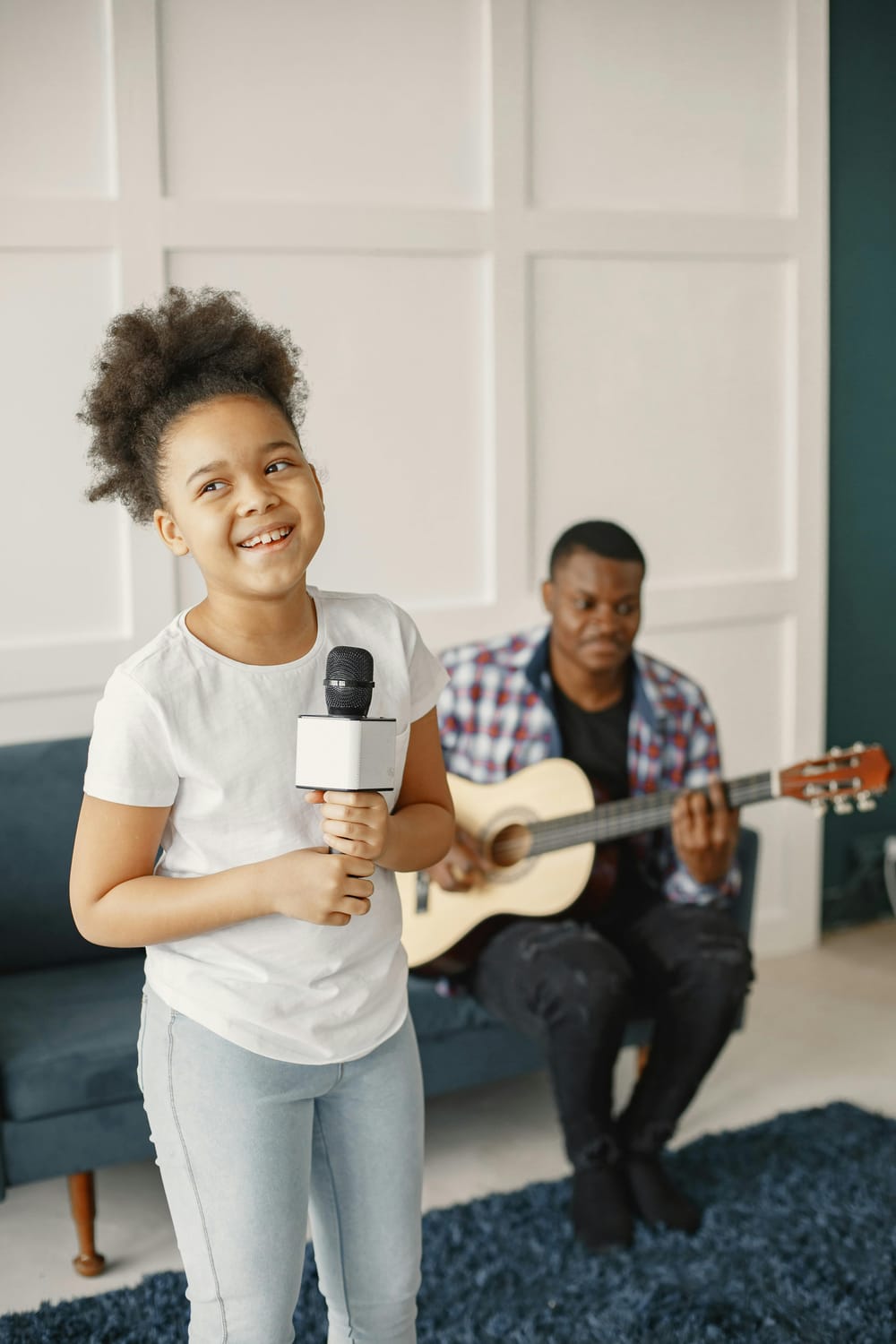
To sing, you use the whole body stance, upper torso respiration system, facial expression, body language, feet/shoulder stance, to cause the intended sound (resonance) to flow through the vocal cords. And you lose calories doing so.
When you play piano AND sing, you lose double the calories.
See stats below on the calories used.
Why do parents want kids to participate in sport?
Learn something new (at any age).
Develop keen coordination.
Build self-confidence (at any age).
Experience positive and encouraging adult influences in life (since parents have less influence as children become teens).
Find friends with similar interests.
Be healthy in mind, soul, and body.
Have fun doing something outside academics.
Lose Weight Playing Piano
Playing the piano burns calories, with the amount depending on body weight, duration, and intensity of playing. The calorie burn can vary significantly based on the type of music and playing intensity. A study using a fitness tracker found that calorie burn ranged from 6.5 to 11.5 calories per minute, with a median of 12.6 calories per minute, and higher-intensity pieces burning nearly double the calories of low-intensity ones.
For example, a 170-pound individual may burn about 54 calories every 15 minutes, which equates to roughly 108 calories per hour. Factors such as posture (sitting vs. standing), technique, and practice style also influence calorie expenditure. Playing complex, fast-tempo pieces or using forceful techniques can increase energy expenditure. Additionally, the physical act of playing can contribute to improved muscle strength in the arms, shoulders, and forearms.
Lose Weight Singing
Singing can burn calories, with the exact amount depending on body weight, posture, intensity, and movement. A person weighing 150 pounds (68 kg) burns approximately 100 calories per hour while sitting and singing, increasing to about 140 calories per hour when standing. For a 200-pound (90 kg) individual, the calorie burn is around 140 calories per hour while sitting and 180 calories per hour while standing.
When movement is involved—such as dancing, playing an instrument, or acting on stage—calorie expenditure increases significantly, potentially by 40% or more. Singing while dancing or playing an instrument can burn around 200 calories per hour. The tempo of the song can also influence calorie burn, as faster songs often lead to more movement and higher energy expenditure.
Why Choose Music As One Sport Activity Option?
Multiple Reasons
People with learning, behavioral, physical, emotional, and/or cognitive challenges will find that engaging in music education (not just listening) helps improve their ability to overcome the challenges because they are activating neuroplasticity.
Neuroplasticity is the brain's ability to change its structure, function, and connections throughout life in response to experiences, learning, environmental changes, injury, or sensory deficits. It involves the formation of new neural pathways, the modification of existing ones, and the reorganization of neural networks to adapt to new demands or recover from damage. This dynamic process allows the brain to rewire itself, enabling learning, memory, and recovery from even conditions like stroke or traumatic brain injury, but includes much more. The concept encompasses various mechanisms, including synaptic plasticity, functional reorganization, and neurogenesis, and is now understood to be a continuous, ongoing process that occurs from prenatal development through old age.
One Example
I tell all my students that when you’re learning something new, you have to build new highways in the brain with on-ramps and off-ramps. When you keep working at it, in a couple of weeks, you’ll wonder why you ever thought that activity was so hard in the beginning. You’ve just completed the new highway, and it’s providing the necessary information when you need it most.
What does this have to do with PRACTICE?
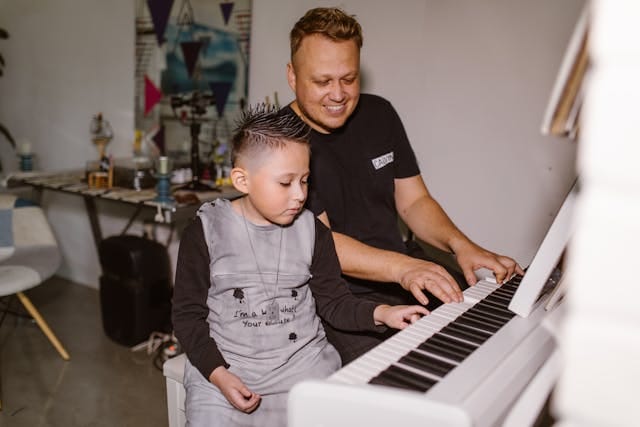
At Sounds of Joy Music Studio, we concentrate on each student as an individual, with unique ways of learning, and each having a different goal for their learning experience.
After a student learns the basic skills in either playing piano or vocal training, we’re going to involve them in the KEY to PRACTICE: “Goal Setting”. Then we will help students achieve their chosen goals, keeping in mind that goals can change as the child grows.
Goals Students Could Choose:
1. "I want to improve cognitive, emotional, behavioral, social, or physical challenges."
2. “I want to learn the basic skills.” Parents' initiative is to give them a fun way to "learn" and get ahead in school. We will make sure this is accomplished while simultaneously helping them develop self-assessment skills with tons of encouragement and fun game activities along the way.
3. “I just enjoy making music.” Parents' purpose is to help their children overcome cognitive challenges at school. We will make sure they have new repertoire music pieces to learn when they’ve assessed themselves at accomplishing their “enjoyment” goal for the last piece.
4. “I want to compete in a contest (it doesn't have to be music related), or I want to entertain the folks in the community nursing home.” We’ll teach self-assessment skills and drill them until they’ve met their assessment goal.
5. “I want to perform at my Graduation ceremony, a wedding, or a special birthday or holiday celebration.” We'll hone in further on their self-assessment skills, so we’ll drill, record, listen, and tweak some more.
6. “I want to play with the group worship band at church.” Their self-assessment skills should be fully operational by this time, and their self-motivation should be high, so we’ll move them into an advanced-accelerated lesson plan and drill on their performance and speed to adapt quickly to changing scenarios when playing chords or harmonizing on a singing team.
7. “I want to teach music.”
8. “I want to become a professional musician in some capacity such as composing/publishing, recording artist/engineer, sound tech, concerts/traveling band, etc.”
How We Reward Their Goal
Accomplishments & How Parents Can Gauge Practice Routines At Home:
With Goal #1, we carefully help adult students or parents learn to assess accurately and document improvements as they occur.
With Goal #2, students will receive stickers, high-fives, drum-rolls, and lots of celebration for every skill developed. This stage is all about having “FUN”. Plus, they will have a few musical pieces to enjoy for a lifetime. This will take 10-20 minutes of practice daily as a parent/child fun activity, making memories together, especially for children under 10 and not reading fluently on their own yet.
With Goal #3, Achievement Cards will be issued with a special collection sleeve as a memory keepsake. This takes the least amount of “on-their-own-practice” necessary. It’s all about making music an enjoyment for a lifetime.
Goals #4-8, the student has an intrinsic goal to reach and will apply themselves, self-adjusting priorities to make plenty of “practice time” happen. The goals achieved are the reward, and the teacher celebrates them along the way, explaining the “whys” behind each step.
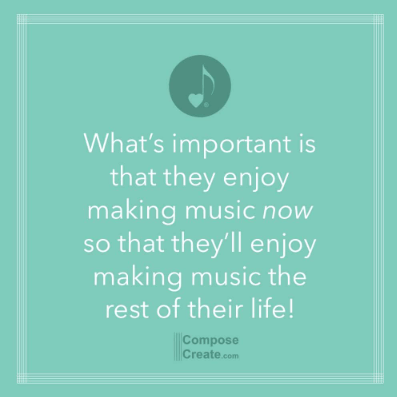
Your investment in music lessons is never wasted because it's not based on how many songs they learn or how much they practice.
Your investment in music lessons is based on giving your child the
best possible, well-rounded,
Growing-up experiences that will follow them for the
rest of their life.
How To Practice
With Your Child
- Ages 10 and under -
Parents who never learned to play piano or sing a song can help their children practice. One of the biggest ways a parent can help is by establishing a practice routine, right from the start. Most children need reminders to practice and help follow the teacher’s instructions. Follow the guidelines below, and your child will make great progress and feel confident playing the piano and singing.
Make Sure Practice Happens At the Same Time Every Day
Choose a time that you are able to stick to. This could be before school in the morning, after school, after homework is finished, or just before or right after dinner; any time that you can be consistent.
Encourage A Slow Practice
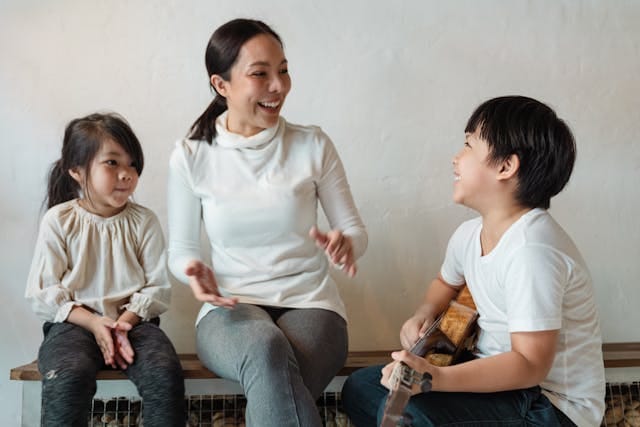
Whenever possible, and especially in the beginning few weeks, try to sit with your child and encourage them not to rush. You could also try tapping or clapping a steady beat while your child is playing to help them hear the pulse.
Be Their Cheerleader!
Most importantly, let your child know how much you love hearing them play! This is by far the best way to encourage long-term practice. (If they’re doing really well with a piece, it’s a great idea to arrange a mini-concert and gather around the family so they can present all their hard work!)
Be Their Student
Get them to explain to you what they're working on, how they know what to play, etc. Try pointing to symbols and asking them what they mean. This will not only help you to know what's going on but will reinforce their knowledge and progress.
Follow the Assignment on their Google Doc
Setting a certain amount of time for practice is not ideal. Instead, try to follow the assignment sheet. Ensure the student completes all assignments as specified by the teacher. If this takes only 5 minutes, that’s fine; if it takes 20 minutes, that’s fine too.

Copyrights © 2026 All Rights Reserved | Sounds of Joy Music Studio under Jubilee Music & Publishing, LLC
Privacy | Terms & Conditions | Accessibility